
Discover the Path
to True Wellness
ABOUT US
Where innovation meets empowerment on the path to a better life.
Through our innovative and thought-provoking articles, curated content, and expert advice, we delve into a wide range of topics that encompass the full spectrum of wellness. From nutrition and fitness to mindfulness and self-care, we explore the latest research, trends, and practices to help you optimize your well-being and unlock your true potential.
Our Recent Wellness Posts
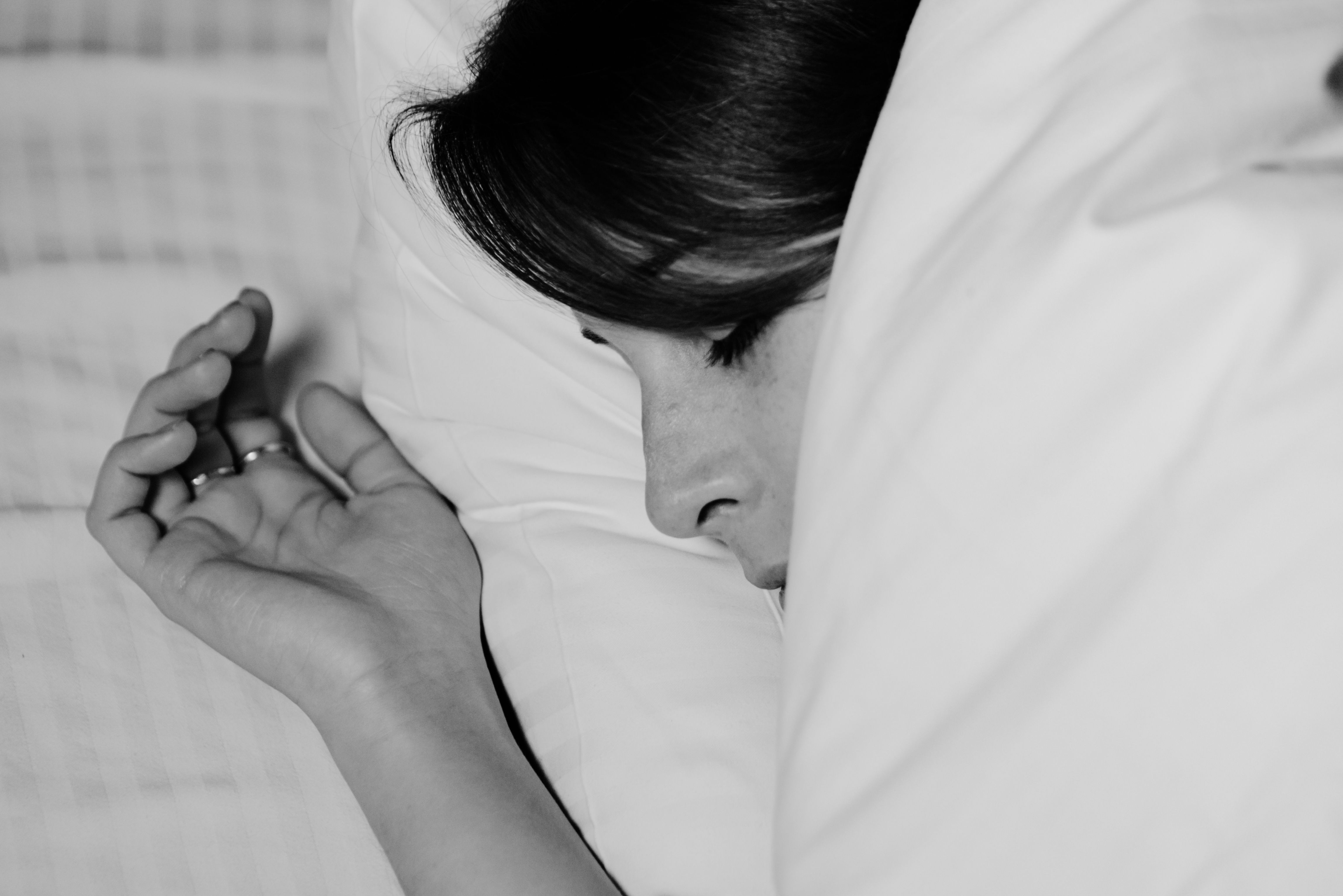
Sleep Architecture: Get More From Every Hour
The Sleep Architecture Nobody Teaches You: How to Get More from Every Hour You Rest
Eight hours in bed is not automatically eight hours of restorative sleep. You can meet a target on paper and still wake up unrefreshed, mentally foggy, or dependent on caffeine before the day has properly begun. The difference is sleep quality — and the pattern of stages your brain and body move through while you rest.
Most people focus on quantity alone. They try to "catch up" on weekends, go to bed earlier only when exhausted, and treat every waking hour as interchangeable. But sleep is organized. Timing, continuity, light exposure, stress, alcohol, temperature, and late-night stimulation can all affect how smoothly you move through the cycles that support physical recovery, learning, emotional regulation, and daytime performance.
You do not need to obsess over a wearable score to improve your sleep. You need to understand the fundamentals, protect the conditions that make quality rest more likely, and run a simple experiment long enough to see what changes your mornings.
Sleep Architecture 101 — What's Actually Happening While You Sleep
Sleep architecture is the recurring pattern of sleep stages across the night. In broad terms, you move through lighter non-REM sleep, deeper non-REM sleep, and REM sleep in cycles. These stages do not appear in identical amounts every hour. Deep sleep is generally more concentrated earlier in the night, while REM sleep becomes more prominent later.
Light sleep is not "bad" sleep — it is a normal part of a healthy cycle. Deep sleep is associated with physical restoration, while REM sleep supports brain processes including memory and emotional processing. The goal is not to force one stage, but to create enough uninterrupted time for the full architecture to unfold.
That is why fragmented sleep can feel so costly. A night with the same total number of hours but repeated awakenings may leave you less restored because the normal flow of stages is disrupted. It is also why a late bedtime can have consequences beyond the clock: when it cuts into your consistent sleep window, you may lose the conditions that support both deep sleep and REM sleep.
The Habits That Quietly Destroy Your Sleep Quality
The biggest disruptors are usually ordinary behaviors repeated without a boundary. Caffeine late in the day can linger longer than people expect, even when it does not prevent sleep onset. Alcohol may make you feel sleepy at first, but it can disrupt the second half of the night and leave sleep less restorative. Heavy meals close to bed can also make it harder for some people to settle comfortably.
Then there is the stimulation problem. The issue is not only blue light — it is the content. Work messages, headlines, arguments, shopping tabs, and endless video feeds tell the brain that the day is still active. If you need an hour to unwind, that is not a personal failure. It is a signal to build a deliberate off-ramp rather than expecting sleep to arrive on command.
Inconsistent timing is another common culprit. A wildly different wake-up time on weekends can shift your body clock and make Monday morning feel like jet lag. You do not need military precision, but a stable wake time is one of the strongest anchors you can give your system.
The Environment Factors Most People Never Optimize
Your bedroom should make sleep easier, not ask you to overcome it. Start with darkness: outdoor light, hallway light, and device indicators can signal daytime to a brain trying to downshift. Use blackout shades when possible, cover LEDs, and keep the phone out of reach if it tempts a midnight scroll.
Temperature matters too. Most people sleep more comfortably in a cool room with breathable bedding, though the exact setting is individual. Instead of chasing a perfect number, adjust one variable at a time: lighter bedding, a fan, better airflow, or a warmer layer if you wake cold. Comfort is not a luxury — it is part of sleep quality improvement.
Sound deserves the same attention. Some people need quiet, while others sleep better with stable, low-level sound that masks inconsistent noise. Consider earplugs, a fan, or white noise if environmental sounds repeatedly wake you. Treat the room as a shared recovery environment — not merely a place where you both happen to sleep.
Your 7-Day Sleep Upgrade Protocol
Do not overhaul your entire life tonight. Run this seven-day protocol and pay attention to your morning energy, mood, and afternoon alertness.
Set one wake time. Choose a realistic time and keep it within about an hour every day this week, including the weekend.
Get daylight early. Spend a few minutes outside or near bright natural light after waking to reinforce your body-clock cue.
Create a caffeine cutoff. Move your last caffeinated drink earlier and notice whether falling asleep or staying asleep changes.
Protect a wind-down window. For the final 30 minutes before bed, replace work and scrolling with a consistent low-stimulation routine.
Make the room recovery-ready. Darken the space, adjust temperature and bedding, and solve the most obvious noise problem.
Move during the day. A walk, ride, strength session, or other regular activity supports sleep pressure.
Review, do not judge. Each morning, rate how rested you feel from one to five and look for patterns after seven days.
If one change helps, keep it. If another does nothing, remove the friction and try a different lever. Better sleep is not a test of discipline — it is a design problem. Build a routine and environment that make recovery the path of least resistance.
Quality sleep is one of the clearest forms of self-respect. It sharpens your ability to train, think, connect, and make decisions that serve your future self. Start with one anchor tonight, protect it for a week, and let consistency do the deeper work.
For more practical wellness strategies, visit truetribewellness.com.

Email: partnerships@truetribewellness.com
Social Media: @TrueTribeWellness