
Discover the Path
to True Wellness
ABOUT US
Where innovation meets empowerment on the path to a better life.
Through our innovative and thought-provoking articles, curated content, and expert advice, we delve into a wide range of topics that encompass the full spectrum of wellness. From nutrition and fitness to mindfulness and self-care, we explore the latest research, trends, and practices to help you optimize your well-being and unlock your true potential.
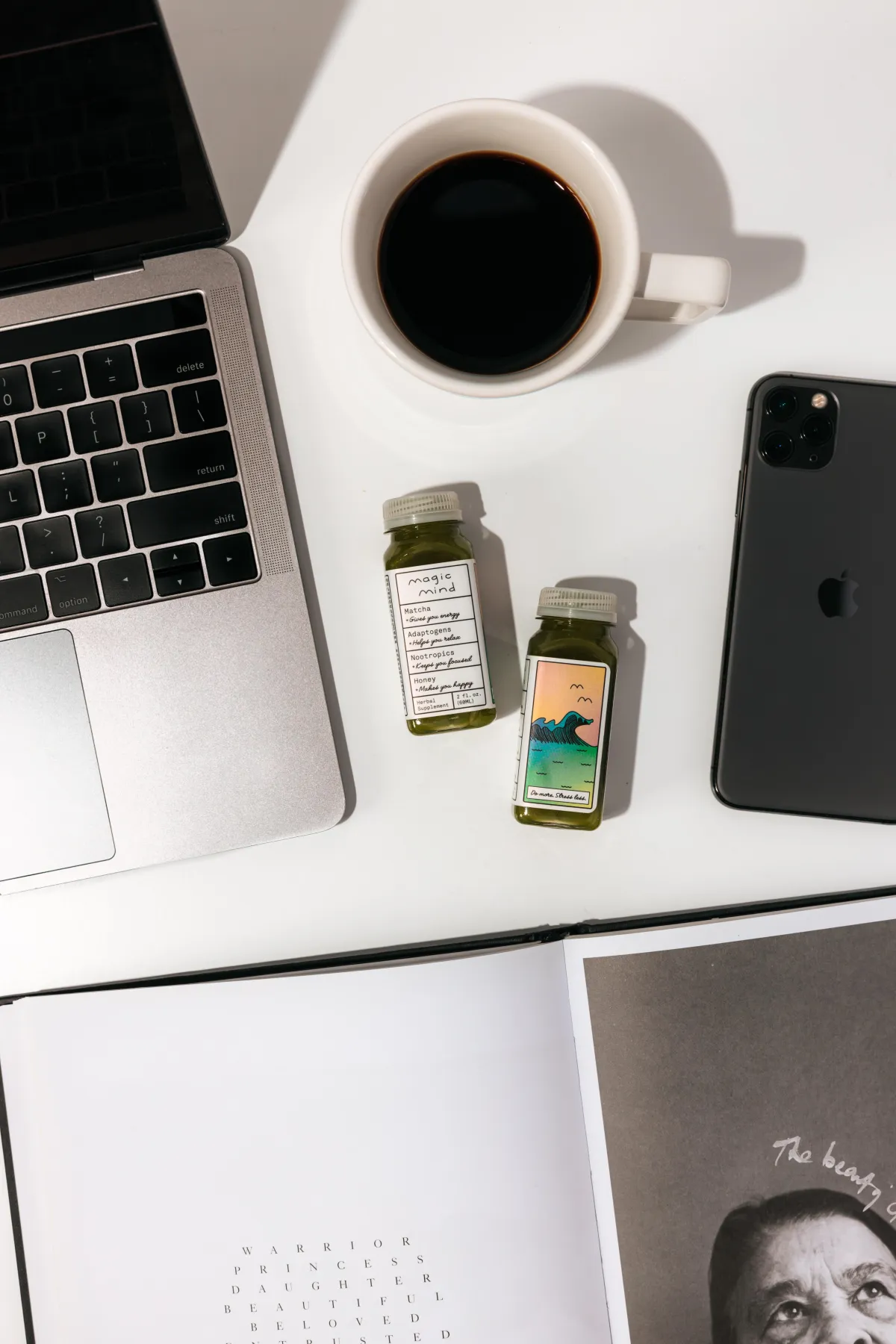
Our Recent Wellness Posts

Simple Daily Habits That Support Better Health
When people think about improving health, it is easy to focus on major lifestyle changes. However, lasting results often come from smaller actions repeated consistently. Daily habits can influence energy levels, mood, productivity, and overall quality of life.
The good news is that supporting better health does not require complicated routines or expensive programs. A few thoughtful adjustments can help create a stronger foundation for feeling and functioning at your best.
Start the Day with Water
After several hours of sleep, the body naturally wakes up slightly dehydrated. Drinking a glass of water in the morning can help support hydration and encourage healthy bodily functions.
Keeping a reusable water bottle nearby throughout the day can also make it easier to maintain consistent water intake. Even mild dehydration may contribute to fatigue, headaches, and difficulty concentrating, making hydration one of the simplest habits to improve.
Move Your Body Every Day
Physical activity plays an important role in supporting cardiovascular health, mobility, and overall fitness. Daily movement does not need to involve intense workouts. Walking, stretching, cycling, or participating in recreational activities can all contribute to better health.
The key is consistency. A short walk during a lunch break or a few minutes of stretching in the morning can add up over time. Regular movement also supports mood and may help reduce feelings of stress.
For those looking to stay active and prepared for training sessions, quality fitness apparel and gear can make workouts more comfortable. Take a look at White Lion Athletics activewear and fitness essentials designed to support an active lifestyle.
Focus on Balanced Meals
Healthy eating does not require complicated rules. Building meals around a variety of nutrient-rich foods can help provide the body with the fuel it needs.
Consider including:
Fruits and vegetables
Lean protein sources
Whole grains
Healthy fats
Plenty of water
Balanced meals can help maintain energy levels throughout the day while supporting overall health. Preparing meals ahead of time may also reduce reliance on highly processed convenience foods.
Get Enough Quality Sleep
Sleep is one of the most important factors affecting health. During sleep, the body performs essential functions that support recovery, cognitive performance, and physical well-being.
Helpful habits for improving sleep include:
Maintaining a consistent bedtime
Limiting screen time before bed
Keeping the bedroom cool and comfortable
Avoiding large meals late in the evening
Even small improvements in sleep quality can positively affect focus, mood, and daily energy.
Spend Time Outdoors
Fresh air and natural surroundings can provide benefits for both physical and mental health. Spending time outside encourages movement while offering a break from screens and indoor environments.
Whether it is a walk through a local park, gardening, or simply sitting outside for a few minutes, regular exposure to nature can help create a greater sense of balance throughout the day.
Practice Mindful Eating
Many people eat while multitasking, scrolling through phones, or working at their desks. Mindful eating involves paying attention to meals without distractions.
Eating more slowly can help improve awareness of hunger and fullness signals. It may also increase enjoyment of meals while reducing the tendency to overeat.
Simple steps include:
Sitting down during meals
Chewing thoroughly
Putting away electronic devices
Paying attention to flavors and textures
These small adjustments can lead to healthier eating habits over time.
Take Short Breaks Throughout the Day
Long periods of sitting or working without breaks can contribute to fatigue and reduced productivity. Short breaks allow both the mind and body to reset.
Consider standing up, stretching, walking around, or simply stepping away from a task for a few minutes. These brief pauses can help maintain focus while reducing physical discomfort associated with prolonged sitting.
Manage Stress with Simple Practices
Stress is a normal part of life, but managing it effectively can support better health. Simple stress-management techniques can easily fit into daily routines.
Examples include:
Deep breathing exercises
Short meditation sessions
Journaling
Spending time with friends and family
Engaging in enjoyable hobbies
Even a few minutes dedicated to relaxation can help create a calmer mindset.
Maintain Social Connections
Human connection plays a significant role in overall well-being. Regular interaction with friends, family members, and supportive communities can contribute to emotional health.
Staying connected does not always require lengthy conversations. A quick phone call, text message, or shared activity can help strengthen relationships and provide valuable support.
Create a Consistent Routine
Consistency often leads to better results than occasional bursts of effort. Establishing a simple daily routine can help make healthy habits feel automatic.
A routine might include:
Drinking water after waking up
Taking a short walk each day
Eating regular meals
Setting a consistent bedtime
Scheduling time for relaxation
Small habits become easier to maintain when they are integrated into daily life.
Limit Excessive Screen Time
Technology offers many benefits, but excessive screen use can impact sleep, posture, and overall well-being. Creating boundaries around screen time may help improve focus and encourage more movement throughout the day.
Simple ideas include:
Taking regular screen breaks
Avoiding devices before bedtime
Scheduling technology-free periods
Spending more time on offline activities
These changes can contribute to healthier daily routines.
Celebrate Progress, Not Perfection
Health-related goals often become difficult when expectations are unrealistic. Missing a workout, eating an unhealthy meal, or having a busy day does not erase previous efforts.
Better health is built through consistency over time. Small positive actions repeated regularly tend to produce greater results than occasional perfect days.
Focusing on gradual improvements allows healthy habits to become sustainable parts of everyday life.
Supporting better health does not require dramatic lifestyle changes. Daily actions such as staying hydrated, moving regularly, eating balanced meals, getting enough sleep, and managing stress can make a meaningful difference over time.
The most effective habits are often the simplest ones. By incorporating a few healthy practices into each day, it becomes easier to build a strong foundation for long-term physical and mental well-being.
One or more of the links above are affiliate links, meaning, at no additional cost to you, we will earn a slight commission if you click through and make a purchase. Each of these products is chosen by a trusted member of our team.

Email: partnerships@truetribewellness.com
Social Media: @TrueTribeWellness